
Wasp & Bee Removal on the Mid North Coast
- Long-Standing Local Expertise
- Licensed & Qualified Professionals
- Residential & Commercial Pest Solutions
Send Us a Message
Thank you for contacting Brazel's Pest Control.
We will get back to you as soon as possible.
Oops, there was an error sending your message.
Please try again later.
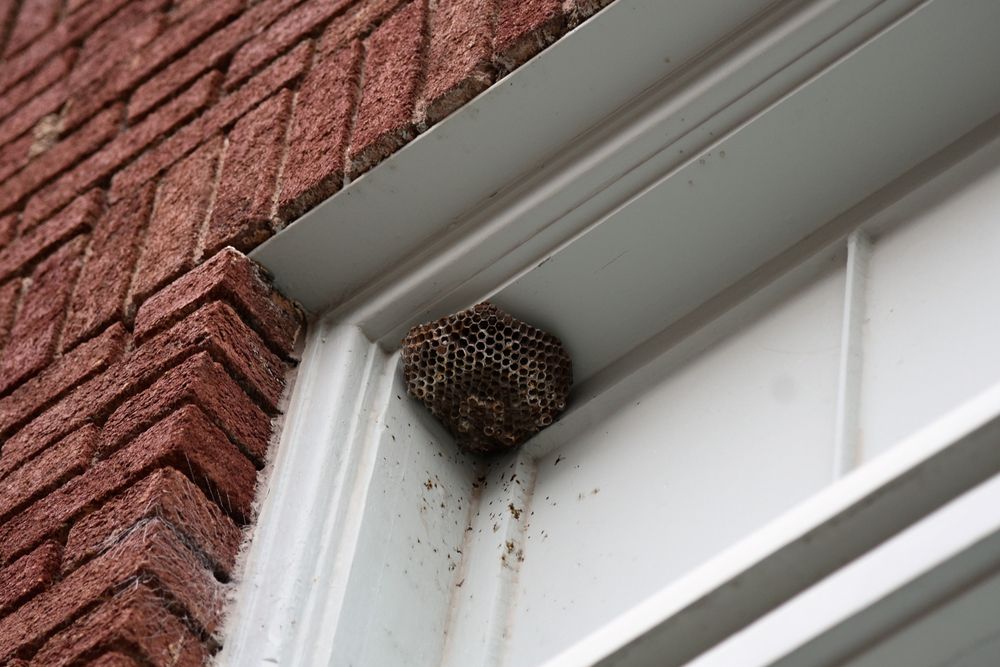
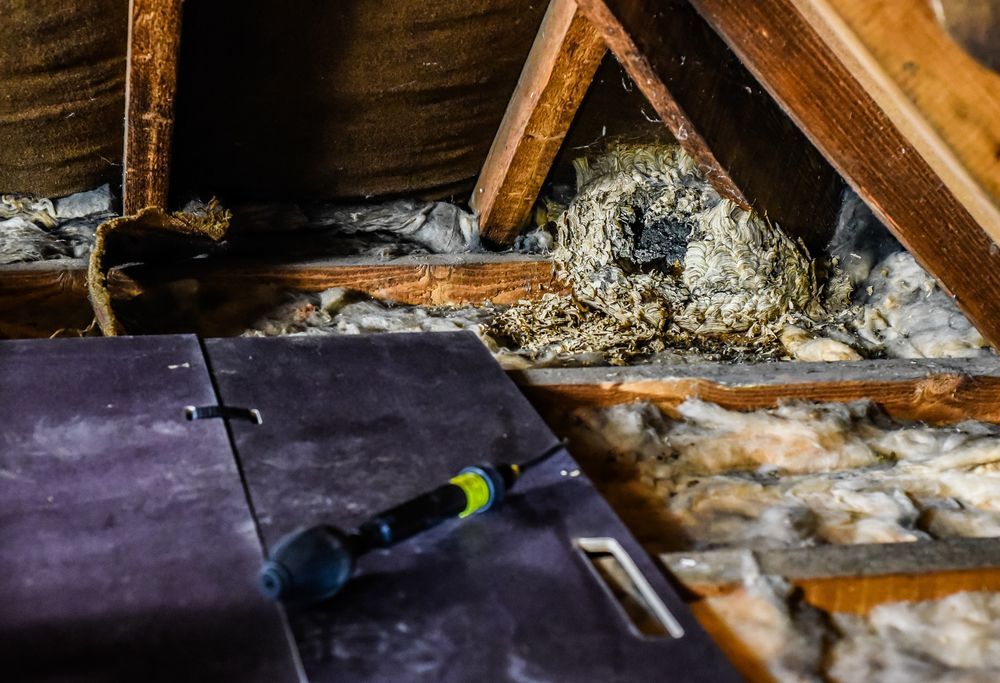
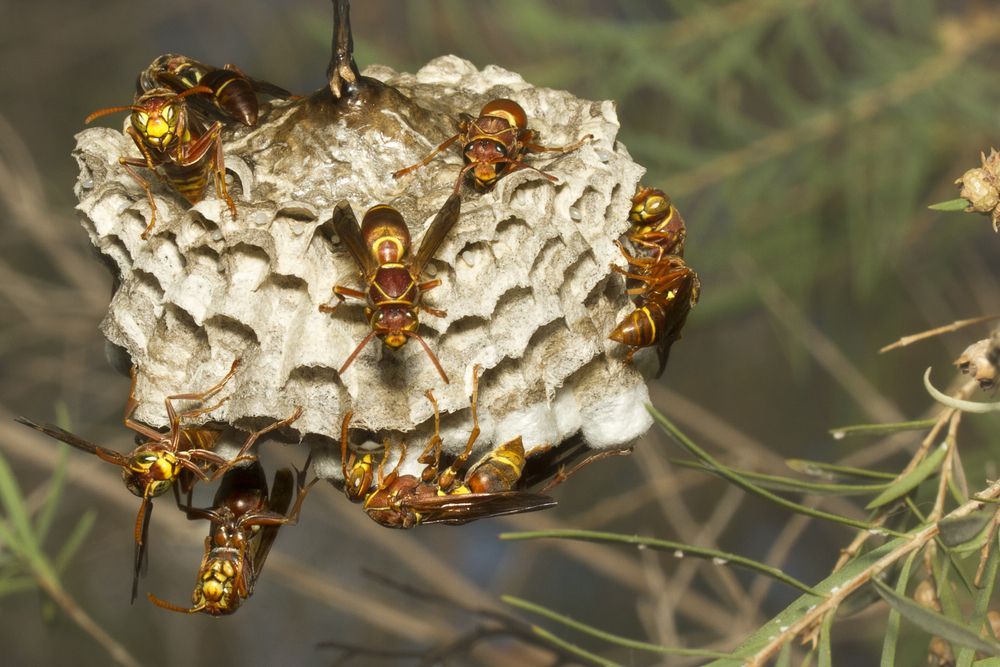
Removing Bees & Wasps From Your Property
At Brazel’s Pest Control, we provide wasp and bee removal for residential and commercial clients throughout the Mid North Coast. During the inspection, we will locate the nest and identify the bee or wasp species. From there, we can use the appropriate treatment. Our options include:
- Chemical sprays: Applied to the nest or specific areas of the property.
- Dusts: Applied to the nest or specific areas of the property.
- Traps: Used to capture bees or wasps that are outside the nest.
- Nest removal: Removing the nest from the property to prevent future infestations.
Speak to our experienced team on (02) 6652 1231 to book an inspection.
Residential
Commercial
Real Estate
Wasp & Bee Control Benefits
Booking a wasp/bee inspection when you see them has a variety of benefits including:
- Prevents painful stings (which can cause allergic reactions with some individuals)
- Eliminates risk of property damage caused by bee or wasp nests
- Reduces risk of future bee & wasps infestations by removing existing nests & implementing preventative measures
- Increased safety for property occupants
- Avoids use of over-the-counter pesticides (which can be harmful to humans & pests when not used correctly)
Our licensed technicians will determine the best course of action to remove bee and wasp infestations from your home or business. Talk to us on
(02) 6652 1231 to book an inspection.
contact us
Send Us a Message
Thank you for contacting Brazel's Pest Control.
We will get back to you as soon as possible.
Oops, there was an error sending your message.
Please try again later.
FAQs
What You Need To Know
Why is professional treatment recommended for bees and wasps?
Bees and wasps can become aggressive when disturbed, increasing the risk of stings. Professional treatment helps manage nests safely and reduces the likelihood of harm to occupants and bystanders.
Where do bees and wasps commonly build nests?
Nests are often found in roof voids, wall cavities, eaves, trees, sheds and underground areas. Some species prefer sheltered spaces close to human activity, which can increase the risk of contact.
How can you reduce the risk of bees and wasps returning?
Reducing access to sheltered nesting areas, sealing gaps and removing attractants such as exposed food or sugary residues can help lower the risk. Ongoing monitoring of rooflines, gardens and outdoor structures is also recommended.



