Pest Control in Nambucca
- Long-Standing Local Expertise
- Licensed & Qualified Professionals
- Residential & Commercial Pest Solutions
Send Us a Message in Nambucca
Thank you for contacting Brazel's Pest Control.
We will get back to you as soon as possible.
Oops, there was an error sending your message.
Please try again later.
Effective Pest Treatments
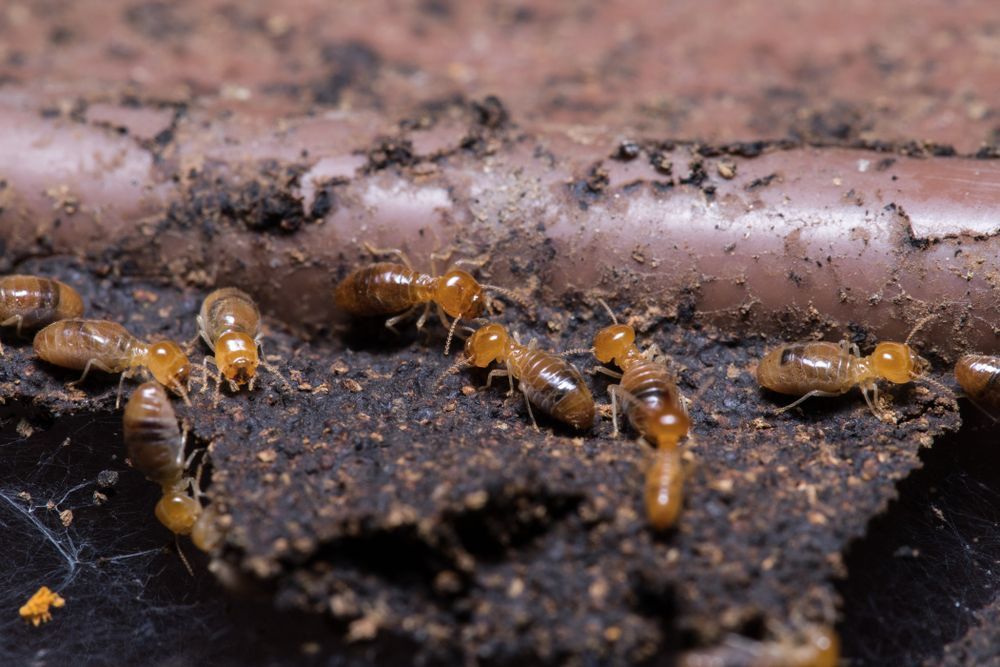
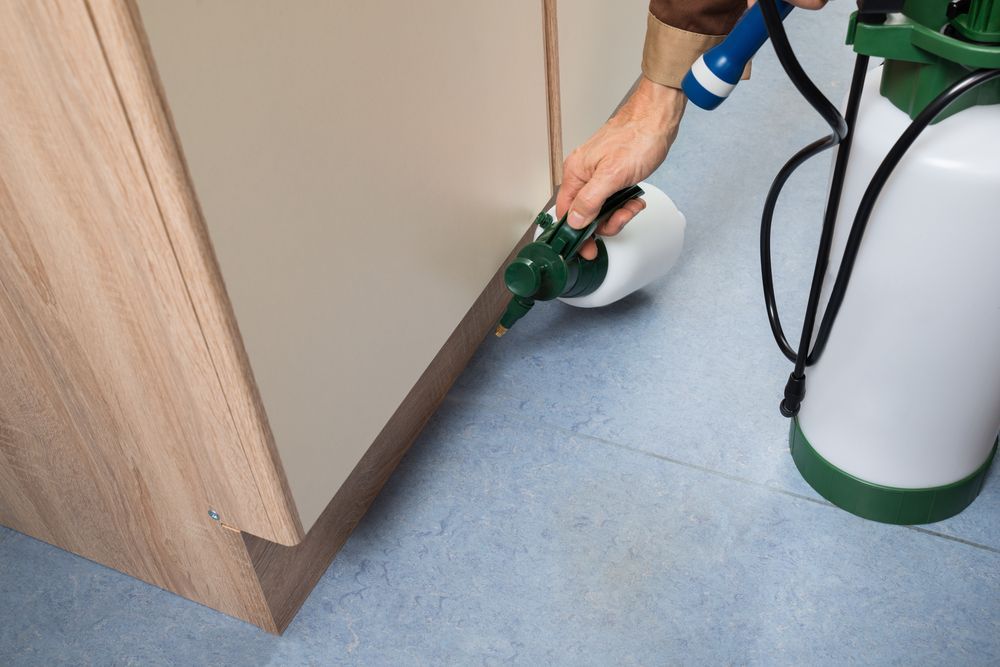
Have you got pests on your property? Put Brazel’s Pest Control in your contacts. We provide a wide range of pest control services for homes and businesses throughout Nambucca—from Shelly Beach to the Pacific Highway. Whether your property is infested with spiders, ants, cockroaches or termites, we have the know-how and techniques to safely remove them. Best of all, our rates are highly competitive.
Ready to get started? Talk to our experienced team on (02) 6652 1231 to book an inspection. We’ll determine the best course of action.
Residential
Commercial
Real Estate
Why Choose Us?
Here’s a list of reasons why you should choose Brazel’s Pest Control as your go-to exterminator in Nambucca:
- We service homes & businesses
- We’re open 24 hours (Monday to Friday)
- We cover a broad service area
- We eliminate a long list of pests
- We use specialised tools & products
- We are licensed & experienced
- We charge competitive prices
Last but not least, we love what we do. Our team will come up with the best way to keep your property pest-free.
Speak to our friendly team on
(02) 6652 1231 to book an assessment. We’ll get rid of your pests in no time.
Pests We Eradicate
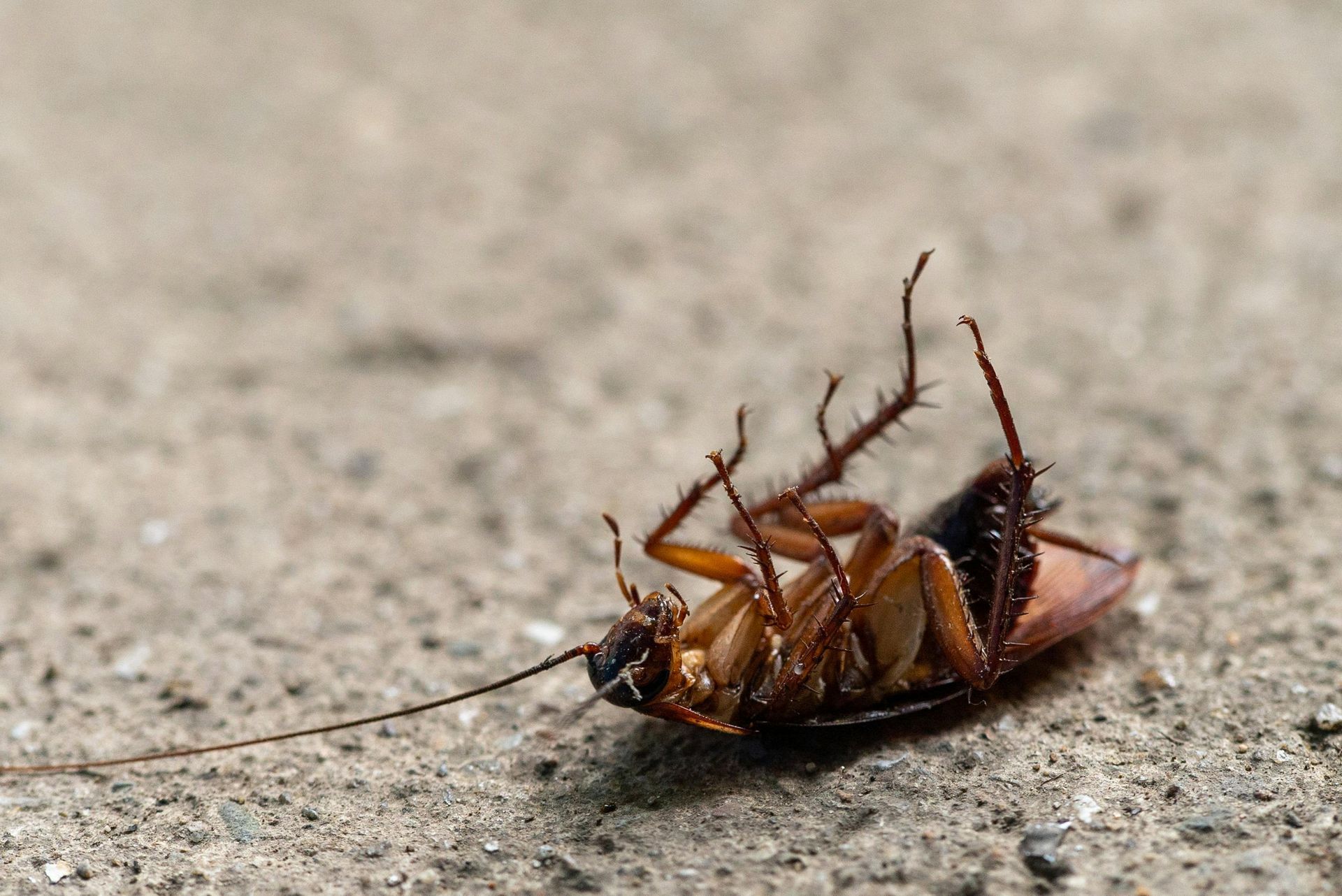
At Brazel’s Pest Control, we locate and remove:
- Ants
- Termites
- Rodents
- Bees & wasps
- Mosquitos
- Bindiis
- Spiders
- Cockroaches
And much more!
Our exterminators use specialised products from leading brands to locate and kill creepy-crawlies in a manner that’s pet- and child-safe. Call us on (02) 6652 1231 to book an assessment.
contact us
Send An Enquiry in Nambucca
Thank you for contacting Brazel's Pest Control.
We will get back to you as soon as possible.
Oops, there was an error sending your message.
Please try again later.
Get Prevention & Treatment
Effective pest management involves a balance between prevention and treatment. Preventive pest control focuses on limiting the conditions that allow pests to enter and establish themselves in a property. This can include sealing gaps, reducing food and moisture sources and applying protective treatments around buildings.
By addressing these risk factors early, it becomes easier to reduce pest activity before it develops into a larger infestation. Regular monitoring also helps identify early warning signs that may otherwise go unnoticed.
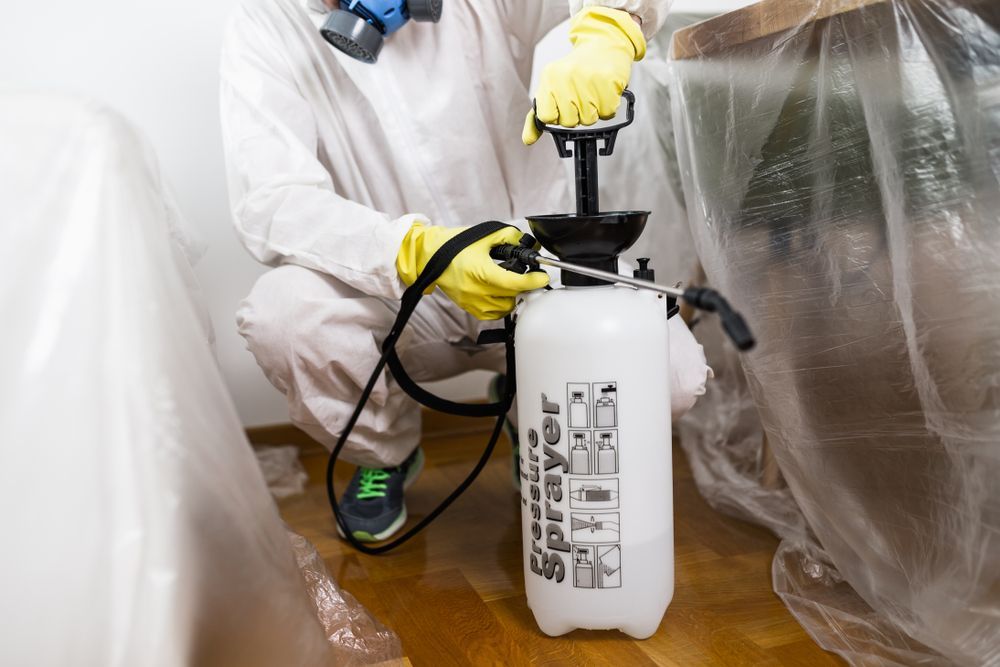
When pests are already present, treatment is required to manage the infestation. Targeted pest control methods are used to remove the pests and restore safe conditions within the property. Combining treatment with ongoing prevention helps support long-term pest control.
FAQs
What You Need To Know
Is it cheaper to do you own pest control?
It’s cheaper upfront; however, if done improperly, can cost dearly down the line. Incorrect products or application methods may fail to eliminate the infestation completely. In some cases, pests can spread further through the property, making the problem more difficult to manage later.
What is the most effective way to control ants?
Ant baits are one of the most effective ways to control ants; however, if they keep coming back, it’s time to call a professional. Baits work by attracting ants, which then carry the treatment back to the colony. If activity continues, a professional assessment can help identify the source nest and apply targeted control methods.
Should I treat termites myself?
Treating termites is a specialised task and should be left to a professional. Termite infestations often occur within hidden areas such as wall cavities, subfloors or underground colonies. Professional treatment helps ensure the infestation is managed effectively and reduces the risk of ongoing structural damage.
How often should I pest control my house?
Your house should be professionally inspected once a year to keep the pests at bay. Regular inspections help detect early signs of pest activity before infestations become established. Preventive treatments and monitoring can also help reduce the likelihood of pests returning.



